Backend and API engineering with production ownership
Cloudnonic designs, builds and runs backend systems and APIs for companies that need a platform other systems can depend on: partner integrations, multi-tenant products, regulated data. Senior engineers own the domain model, the API contracts, the security and the operations as one responsibility, in NestJS, FastAPI, Laravel or Rails on PostgreSQL and AWS. Done means the system is in production, monitored, and your team can change it.
What is included
Domain and data modelling
The entities, rules and permissions of your business written down and agreed before the first endpoint, so the API says what the business means.
API design and contracts
REST or GraphQL APIs with versioning, documented contracts, authentication and rate limits, designed for the partners and apps that will consume them.
Integrations
Connections to the systems your product depends on: payment, identity, booking channels, PIMs, devices, with retries, idempotency and monitoring on every boundary.
Security and compliance by design
Access control, audit trails, encryption and data residency built into the architecture, and documented for the enterprise and healthcare reviews that come later.
Operations
Automated pipelines with health checks and rollback, observability, backups that are restored in tests, and a named engineer on call.
Proof
Case studies in this scope. Every figure comes from the study behind it.
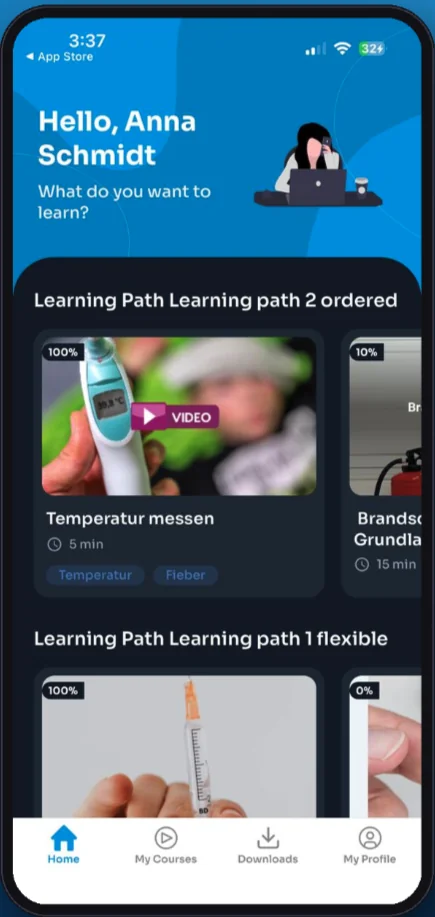
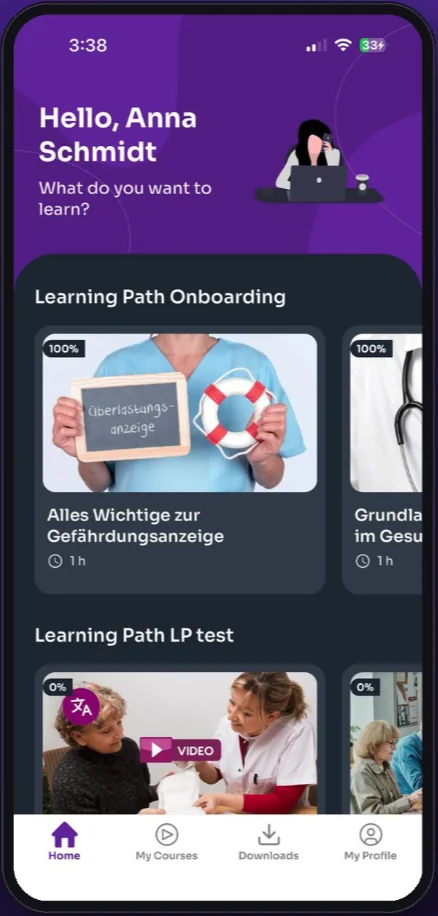
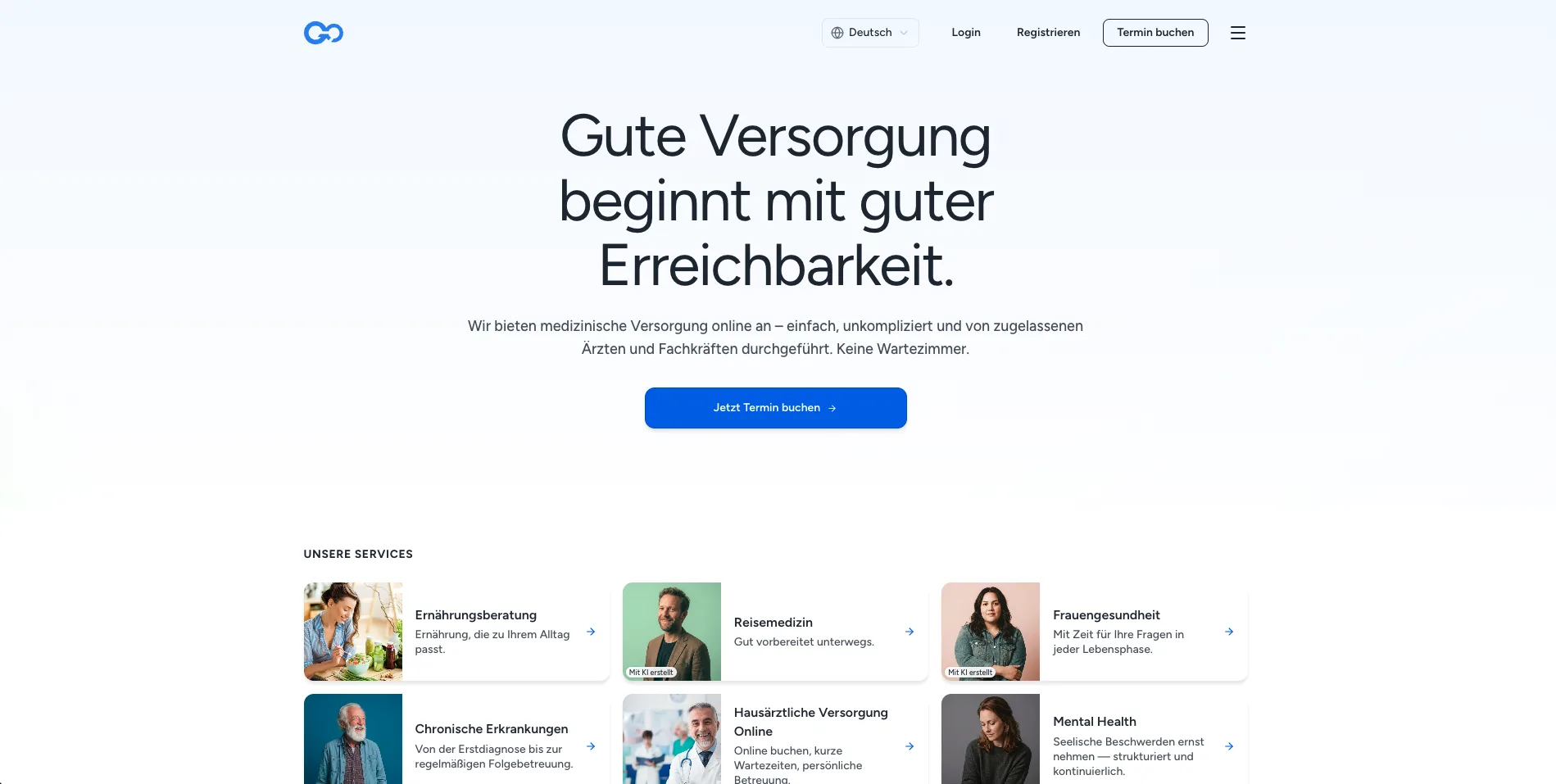
HealthTech — idea to Series A
GoMedicus
Months from kickoff workshop to Series A
19
Of the platform's engineering owned by Cloudnonic
100%
Measured recovery time in a disaster-recovery drill
Backend work runs as a product team when we own the whole platform, or as an embedded team inside your engineering organisation when you already have one. In both cases the engineers who scope the system are the ones who run it, which is how estimates stay honest and incidents stay rare.
Your product team · What this prevents: A prototype that never becomes a platform, and a CTO hire made before the product deserves one.
NestJS on TypeScript and FastAPI on Python for new platforms, Laravel and Ruby on Rails where a client's system already runs on them, PostgreSQL as the default database and AWS as the default cloud. The choice is made per project, and we document why.
Do you take over an existing backend?
Yes, as an embedded team. We start with a review of the architecture, the deployment and the risks, agree what to stabilise first, and then work inside your repositories, standups and review process.
How do you keep the API stable for partners?
Documented contracts, versioning from the first release, backwards-compatible changes by default and a deprecation policy for the rest. Consumers are tested against the contract in the pipeline.
Who runs the system after launch?
We do, until your team can and wants to. Pipelines, monitoring, on-call and backups are part of the engagement, and everything is in your accounts and your repositories from day one, so there is no lock-in.
Built the AI-Native way
Every service on this page is delivered with our AI-Native process: specs as the source of truth, agents in the pipeline, and a named engineer signing off at staging.
 NestJS
 Next.js
 PostgreSQL
 AWS
 Terraform
 Python
 React
 FastAPI
 Laravel
 Ruby on Rails
 React Native
 App Store
 Google Play